Lucaryn blog · Ancestral Spirituality · October 17, 2026
An Ancestor Altar for Spiritual Remembrance Without Family Perfection
Create an ancestor altar for spiritual remembrance with chosen photographs, meaningful objects and a clear intention that leaves room for complex family histories.
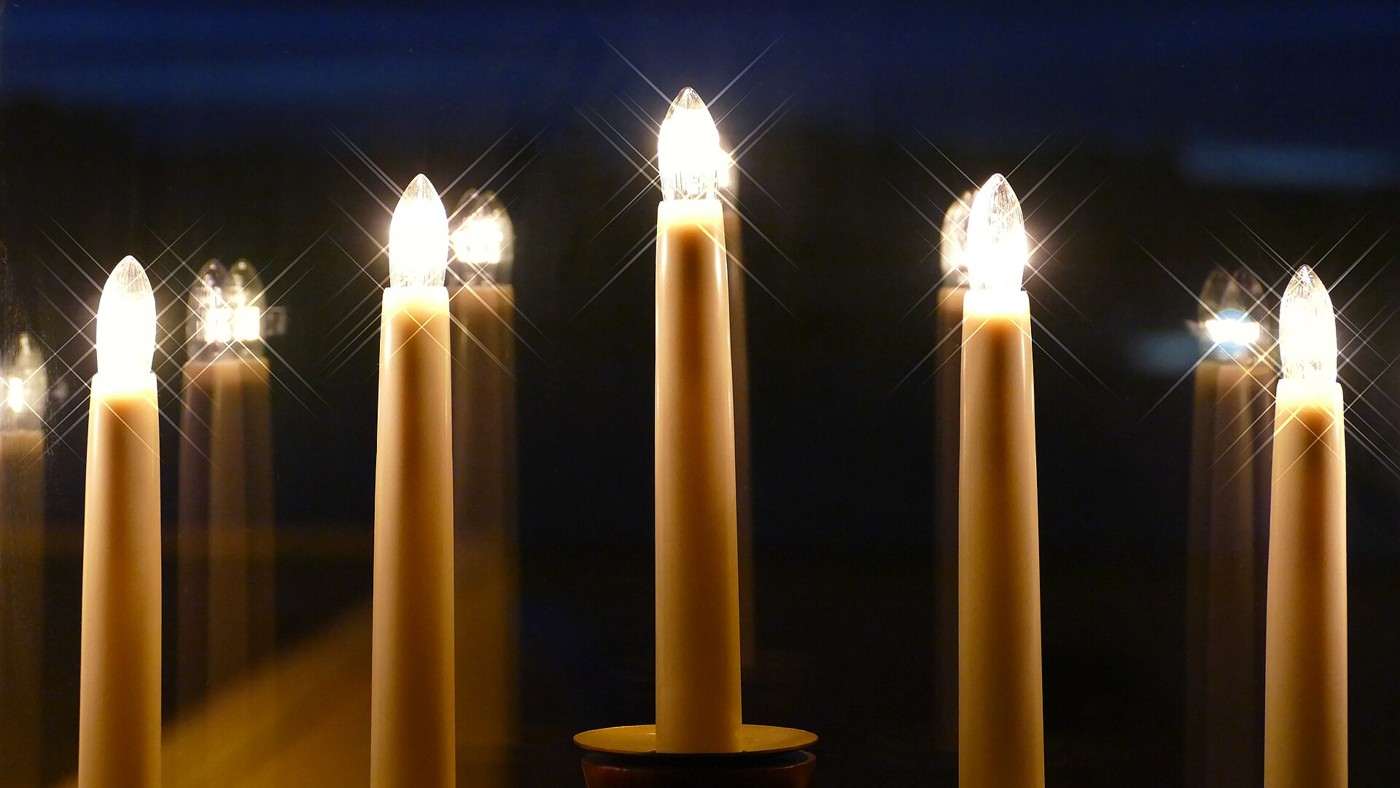
An ancestor altar can create a place for spiritual remembrance without asking you to idealize everyone who came before you. Families contain affection, distance, unanswered questions and complicated legacies. A sacred space can acknowledge that complexity. Begin by deciding whom or what you want to honor: a loved relative, a family tradition, or the qualities you hope to carry forward from the lives that made yours possible.
Choose a small, personal space
Choose a small surface that can remain orderly and is appropriate within your home. A photograph, a written name or one meaningful object is enough. You do not need a complete genealogy or a display that looks ceremonial to anyone else. If you share the space, consider the privacy and beliefs of others. A personal altar can be modest, temporary or kept in a box between visits.
Set an intention that describes the relationship you want with remembrance. You might honor courage, preserve a story or offer gratitude for a particular kindness. Within ancestral spirituality, some people also address benevolent ancestors in prayer. That is a spiritual practice rather than proof that a particular presence has arrived. You can speak sincerely without needing to produce a sign in response.
Let objects carry a chosen meaning
Choose objects for their connection to the person or quality, rather than for an assumed power to summon. A recipe card might represent nourishment; a repaired tool might honor patience and skill. If you include a candle, an unlit or electric one can carry the symbolism without flame. Avoid leaving food, water or fragile items where they could create a problem for children, pets or the household.
You can leave someone out of the altar. Spiritual remembrance does not require you to reopen contact, excuse cruelty or display an image that makes the space feel unwelcome. You may instead honor a loving chosen elder or a tradition that nourished you. Be clear about the relationship rather than inventing ancestry. The sacred focus is what you consciously choose to remember and cultivate.
Visit without requiring a sign
Visit the space with one story or sentence of gratitude, then allow quiet. If a dream or memory follows, write it down without treating it as an instruction from the deceased. You can explore its spiritual meaning in a reading while keeping your own choices intact. An altar need not become a daily search for proof that you have been heard or that someone approves your plans.
Refresh the display when it no longer reflects your intention, and close it when you wish. Put photographs away respectfully, return borrowed objects and keep any stories you want to preserve. The spiritual relationship with remembrance does not depend on maintaining a permanent arrangement. An ancestor altar can be a place where gratitude, discernment and a complicated family history are allowed to exist together.
Explore more psychic and spiritual insights on Lucaryn.
Photograph and attribution
Real photograph of electric candle lights with a photographic star effect, used symbolically for ancestral remembrance; not an actual family altar or spirit manifestation. Photo: W.carter; CC0. Display copy resized. Original photograph and rights record. License terms.
