Lucaryn blog · Relationships & Lifestyle · October 15, 2026
Living Together With Different Clutter Tolerances
Make shared-space agreements when one partner likes clear surfaces and the other keeps projects visible, without turning preferences into character judgments.
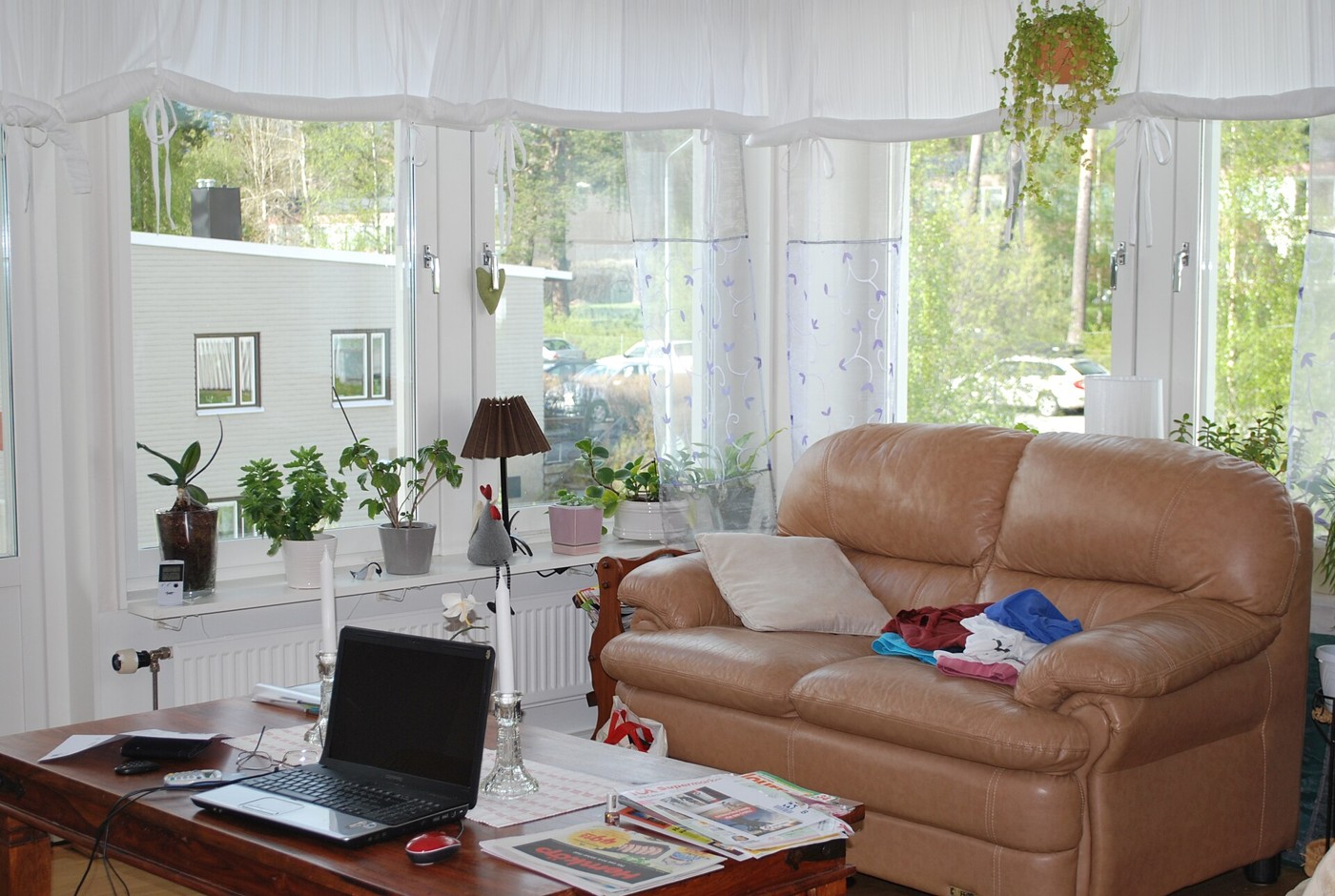
Different clutter tolerances can make a shared room feel like two competing homes. One person relaxes when surfaces are clear. The other likes a book, craft or project left where it can be picked up again. Neither preference automatically makes someone more adult, creative or caring. The useful question is how the room can function for both people.
Begin with specific friction rather than a verdict about the entire house. Is the dining table unusable, the entryway difficult to cross or one person’s unfinished project repeatedly moved? A concrete problem gives you a starting point. “You are messy” and “you are controlling” turn a practical discussion into a defense of identity.
Give shared spaces a purpose
Agree on a few shared surfaces that need a defined function. A table might be available for meals at a certain time, while a shelf holds ongoing projects. A tray or box can preserve the work without requiring permanent occupation of the room. Choose containers that are easy to use; a system nobody can maintain simply adds another abandoned object.
Keep personal areas genuinely personal where space allows. One partner need not arrange a private desk exactly like the other’s. At the same time, calling something personal does not remove its effect on a shared walkway or surface. The distinction is about use and impact, not a rule that either preference automatically wins everywhere.
Agree before moving belongings
Discuss what happens before belongings are moved or discarded. A pile may contain something important even if its organization is not obvious. Ask about it, set a realistic deadline for sorting and agree on a temporary location. Do not turn cleanup into a surprise lesson. Quietly throwing away another adult’s things is not a substitute for a workable agreement.
Test one arrangement for a week, then revise the part that failed. Perhaps the storage is too far away, the project needs more space or the deadline was unrealistic. Focus on the mechanism rather than gathering evidence of bad character. Repeated refusal to honor an agreement is a relationship issue; a poorly designed basket system may simply need a different basket.
Design for an ordinary evening
A livable home does not require identical preferences. It requires enough clear space for ordinary life, enough room for each person’s belongings and a process that does not make one partner the permanent household inspector. Aim for arrangements both people can follow on a normal tired evening, not a staged version of the home that exists only for photographs.
Read more everyday-life articles on Lucaryn.
Photograph and attribution
Representative photograph of a furnished living room; not a client home or an example of either person described in the article. Photo: Linsenhejhej; CC BY-SA 3.0. Display copy resized. Original photograph and rights record. License terms.
